
By the Four Oaks Physio Clinical Team · April 2026 · 8-minute read
| 1 in 4 UK adults live with knee pain at any one time | 80% of knee conditions improve with the right physiotherapy | 25+ years of clinical experience at Four Oaks Physio |
Knee pain is one of the most common problems we treat at Four Oaks Physio in Sutton Coldfield — and yet it is also one of the most commonly misunderstood. Many people assume that a bad knee simply means they need to rest, take painkillers, or eventually face surgery. In most cases, that is simply not true.
Whether you have a nagging ache after a walk, sharp pain when climbing stairs, or a knee that swells after activity, the good news is this: the vast majority of knee conditions respond very well to expert physiotherapy — often without the need for injections or operations. This guide explains what is really going on in your knee, what your symptoms might mean, and how a structured physiotherapy programme can get you back to doing the things you love.
What Is Actually Inside Your Knee?
Your knee is the largest joint in the body. It connects your thigh bone (femur) to your shin bone (tibia), and involves a complex arrangement of cartilage, ligaments, tendons, muscles, and a fluid-filled capsule. Because it bears your full body weight — and absorbs impact with every step — it is vulnerable to both sudden injury and gradual wear and tear.
When something goes wrong in any one of these structures, it can cause pain, stiffness, swelling, or a feeling of instability. Understanding which structure is involved helps us choose exactly the right treatment — which is why a proper clinical assessment always comes first.
The Most Common Causes of Knee Pain We Treat
- Osteoarthritis: Gradual breakdown of the cartilage inside the joint, causing stiffness, aching, and morning pain. Very common in adults over 50, though younger people are not immune.
- Patellofemoral Pain Syndrome (Runner’s Knee): Pain around or behind the kneecap, often made worse by climbing stairs, squatting, or sitting for long periods. One of the most common causes of knee pain in active people.
- Meniscus Injury: A tear in the shock-absorbing cartilage discs inside the knee. Can cause a locking sensation, clicking, or deep joint pain — sometimes following a twist or a sporting movement.
- Ligament Sprains: Stretching or partial tearing of the ligaments that stabilise your knee. Often caused by a sudden change of direction or a fall, resulting in swelling and instability.
- IT Band Syndrome: Tightness in a band of tissue that runs down the outer thigh and crosses the knee. Causes sharp pain on the outer side of the knee, particularly in runners and cyclists.
- Patellar Tendinopathy: Degeneration of the tendon just below the kneecap. Common in people who do a lot of jumping, kneeling, or stair climbing, and typically causes pain at the front of the knee.
What Is Your Knee Pain Telling You?
Not all knee pain feels the same — and where your pain sits, when it comes on, and what makes it better or worse can point towards a specific cause. Here is a simple guide to help you make sense of what you are experiencing:
- Pain at the front of the knee: Often the kneecap or surrounding tendons. Typically linked to patellofemoral syndrome or patellar tendinopathy. Made worse by stairs, squatting, or sitting with the knee bent.
- Pain on the outer (lateral) side of the knee: Often the IT band or the lateral meniscus. Particularly common in runners and walkers who cover long distances.
- Pain on the inner (medial) side of the knee: Often the medial meniscus or medial collateral ligament. May feel like a sharp catch or a deep ache on the inside of the joint.
- Pain deep inside the joint: Often cartilage wear or arthritis. Usually comes with stiffness — particularly in the morning or after sitting for a while — and a sensation of the joint being “full.”
- Swelling and warmth around the knee: Suggests inflammation inside the joint itself. This should always be professionally assessed, as it can point to several different conditions that need different approaches.
- Locking or giving way: If the knee suddenly buckles under you, or gets stuck and won’t fully straighten, this often suggests a meniscus or ligament problem and should not be left untreated.
How Does Physiotherapy Actually Treat Knee Pain?
At Four Oaks Physio, we do not simply treat the symptom — we investigate the root cause. Your initial assessment involves a thorough examination of how you move, how strong the muscles around your knee and hip are, and how your posture and walking pattern might be contributing to the problem.
From there, we put together a personalised treatment plan. This is never a one-size-fits-all approach — what works for one person’s knee may not be right for another. Your plan may include a combination of:
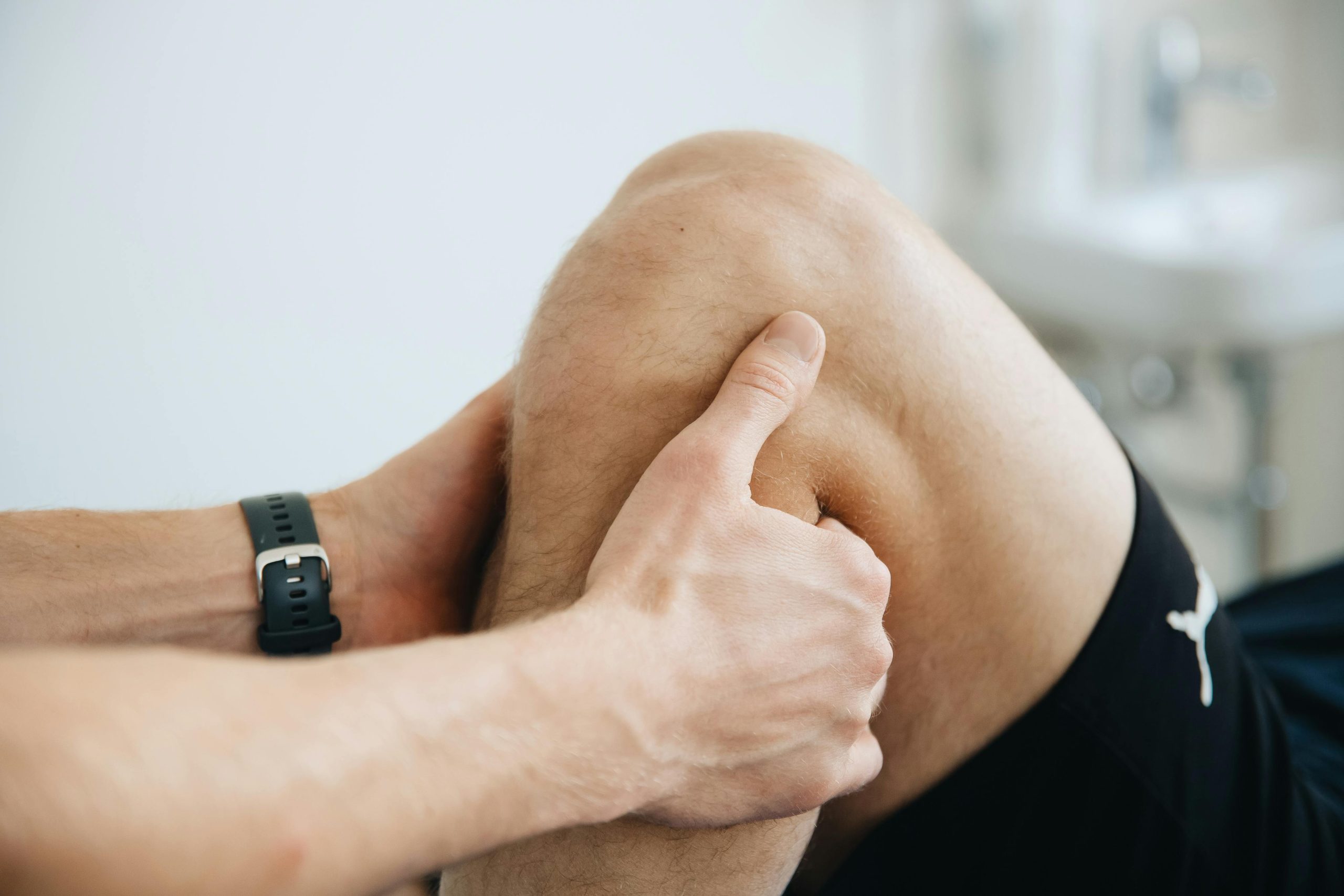
- Manual Therapy: Hands-on joint mobilisation and soft tissue techniques to restore normal movement in the knee and reduce pain quickly. Many patients notice a significant difference after the very first session.
- Medical Acupuncture: Evidence-based clinical acupuncture to reduce pain signals, calm inflammation, and support the body’s natural healing process within the joint.
- Exercise Rehabilitation: A carefully graded programme of strengthening and flexibility exercises, progressed at your own pace. Strengthening the muscles around the knee — particularly the quadriceps, hamstrings, and glutes — is one of the most powerful tools we have.
- Biomechanical Correction: Identifying and changing the movement patterns that place unnecessary stress on your knee. This is particularly important for preventing the problem from returning once you are pain-free.
- Education and Self-Management: We make sure you understand your condition fully, so you know what to do — and what to avoid — between sessions. Knowledge is a powerful part of recovery.
| “The goal of physiotherapy is not simply to reduce your pain in the short term — it is to understand why the pain developed in the first place and address the root cause, so the problem does not keep coming back.” — Four Oaks Physio Clinical Team, Sutton Coldfield |
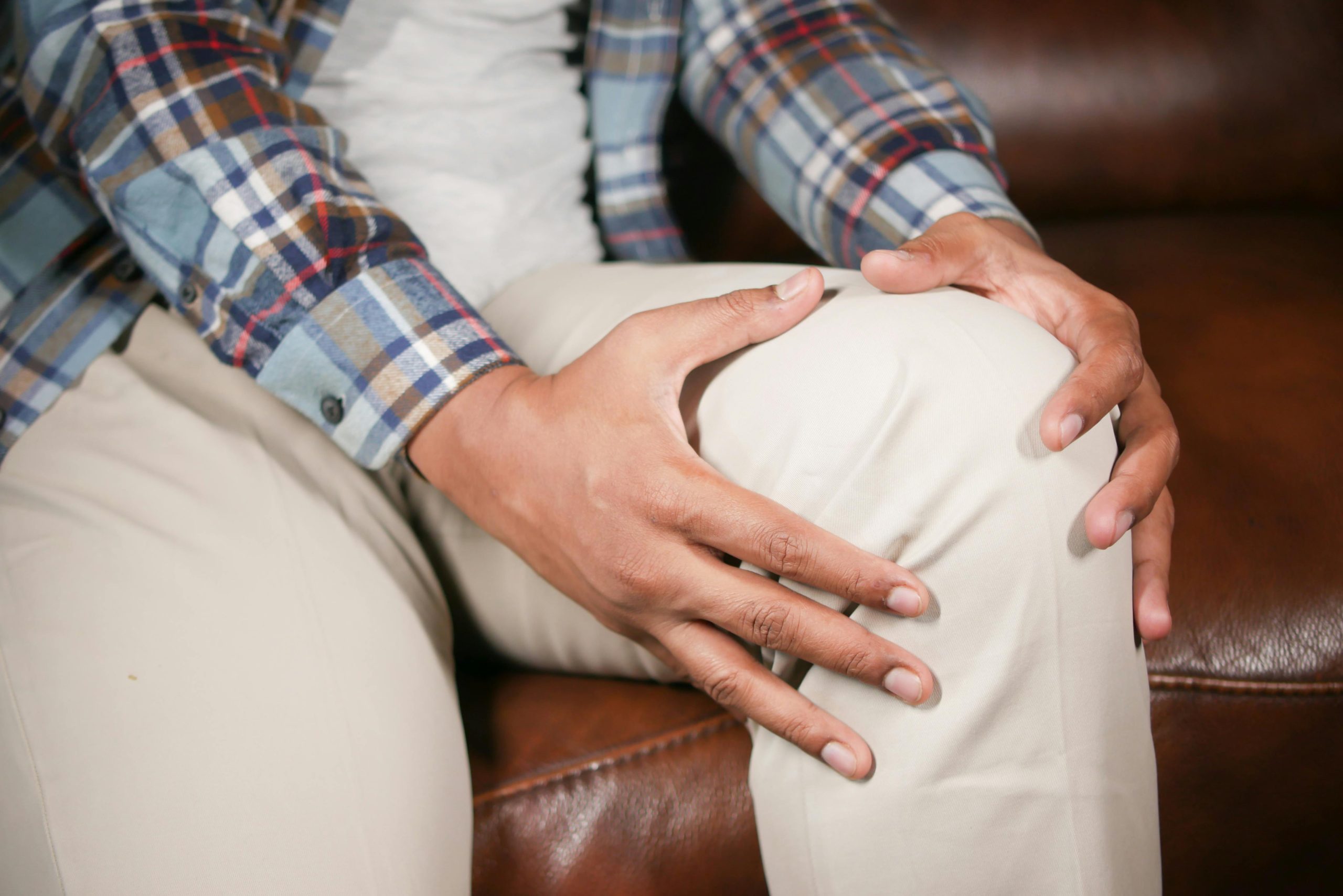
3 Things You Can Do Right Now to Help Your Knee
While a proper clinical assessment is always the recommended first step, these evidence-based strategies can help manage your symptoms in the short term:
- Strengthen your quadriceps: Weak thigh muscles are one of the most common drivers of knee pain. Simple exercises such as seated leg raises, mini squats, and wall sits — performed gently and regularly — can make a meaningful difference. Your physiotherapist will advise on the right exercises for your specific condition.
- Use ice or heat appropriately: Ice (applied for around 15 minutes, always wrapped in a cloth to protect the skin) works best in the first 48 to 72 hours following an acute injury or flare-up, when swelling is the main problem. Heat is generally better for chronic stiffness and tight muscles around the knee.
- Keep moving — but gently: Prolonged bed rest weakens the supporting muscles and can slow recovery considerably. Gentle activity — short walks, swimming, or cycling on a stationary bike — is generally well-tolerated and actively beneficial, as long as it does not sharply increase your pain. If in doubt, ask your physiotherapist.
Knee Pain Physiotherapy in Sutton Coldfield — No Referral Needed
Four Oaks Physio is based at 10 Harcourt Drive, Sutton Coldfield, Birmingham. We offer both clinic appointments and home visits, making it easy to access expert care wherever you are most comfortable.
Our clients come to us from across the local area, including Sutton Coldfield, Four Oaks, Mere Green, Little Aston, Walmley, Streetly, Wylde Green, Erdington, Walsall, Tamworth, and Lichfield.
You do not need a GP referral to book an appointment. We offer direct access to private physiotherapy — which means you can be seen quickly, without the wait. We are also recognised by major health insurers including AXA Health, Aviva, BUPA, and Simplyhealth.
| READY TO GET YOUR KNEE PROPERLY ASSESSED? Do not wait for the pain to become a long-term problem. Our specialist team can assess your knee, identify the root cause, and put together a clear plan to get you moving freely again. Call us: 07894 988812 Email: info@fouroaksphysio.co.uk Book Online: www.fouroaksphysio.co.uk/contact-us/ No GP referral needed. Clinic appointments and home visits available. Flexible appointment times including evenings and weekends. |
References
1. National Institute for Health and Care Excellence (NICE). Osteoarthritis in over 16s: diagnosis and management (NG226). https://www.nice.org.uk/guidance/ng226
2. Chartered Society of Physiotherapy (CSP). Physiotherapy for knee pain. https://www.csp.org.uk/public-patient/physiotherapy-explained/conditions-and-treatment/knee-problems
3. Versus Arthritis. Knee pain — causes and treatments. https://www.versusarthritis.org/about-arthritis/conditions/knee-pain/
4. NHS. Knee pain — self-care and when to get help. https://www.nhs.uk/conditions/knee-pain/
5. British Journal of Sports Medicine. Exercise therapy for knee osteoarthritis (evidence review). https://bjsm.bmj.com
6. Health and Care Professions Council (HCPC). Standards of proficiency for physiotherapists. https://www.hcpc-uk.org
────────────────────────────────────────────────────────────────────────────────
DISCLAIMER: This blog post is for general information purposes only and does not constitute medical advice. Always consult a qualified healthcare professional for advice specific to your condition.